Comprehending the Blood-Brain-Barrier, Vital Constraints and Recent Updates for CNS Therapeutics
Gurpreet Singha1, Palak Jhamba1, Mehak Bhata1, Sankar Ramakrishnan2, Kaisar Razac3 , Amita
Sarwala1
Gurpreet Singha1, Palak Jhamba1, Mehak Bhata1, Sankar Ramakrishnan2, Kaisar Razac3 , Amita Sarwala1
1Department of Pharmaceutics, University Institute of Pharmaceutical Scienecs, UGC-Centre of Advanced Studies, Punjab University Chandigarh-160014, India
2Department of Formulations Research & Development, Dr. Reddy’s Laboratories, 8800 Line Avenue, Shreveport, LA 71106, USA
3Department of Pharmacy, School of Chemical Sciences and Pharmacy, Central University of Rajasthan, Bandar Sindri , Dist. Ajmer, Rajasthan
305817, India
- *Corresponding Author:
- Sarwala A
Department of Pharmaceutics, University Institute of Pharmaceutical Sciences, UGC-Centre of Advanced Studies, Punjab University, Chandigarh-160014, India
Tel No: 91 8283815428
E-mail:sarwalamita@gmail.com
Received Date: July 05, 2020; Accepted Date: October 05, 2021; Published Date: October 12, 2021
Citation: Sarwala A, Singha G, Jhamba P, Bhata M, Ramakrishnan S, Razac K (2021) Comprehending the blood-brain-barrier, vital constraints and recent updates for CNS therapeutics. J Neurol Neurosci Vol: 12 No: 9
Abstract
Anacardium Background
The Blood-Brain Barrier (BBB) acts as a hindrance to the transport of potential therapeutic agents in the brain; hence it serves as a major limiting factor to treat pharmacological dysfunction of the central nervous system (CNS). In a healthy brain, the BBB act as an essential barrier for protecting normal brain functions by preventing the transportation of foreign substances from the systemic circulation into the brain.
Area covered
This review gives us complete knowledge of the anatomical structure of the BBB and mechanisms involved in drug transport. It highlights the major aspects to be considered for the effective brain delivery of the drugs. It has also covered different types of barriers that obstruct the entry of therapeutic agents as well as the current strategies and approaches that facilitate penetration across the barrier for enhanced drug delivery to the CNS.
Expert opinion
There is a need for an in-depth understanding of the physiochemical activity of the carriers used, pharmacokinetic properties of the therapeutics required to be delivered, as well as the anatomical and biological factors which have an immense influence on the delivery of the drugs to the brain.
Keywords
Blood-brain barrier; Drug delivery; Transporters; Nanoparticles; Brain targeting
Introduction
Several brain conditions, including neurological problems and tumours, being highly widespread disorders of the brain, altering their neural cells but treatment options seem to lack in some way or the other. As the CNS disorders are expected to increase rapidly over the next 20 years, there is a strong need to amplify the growth of the drug delivery systems used to deliver the drugs at the specific site of the brain without affecting normal cells [1]. However, the success rate of drugs to be delivered into specific sites in the brain is poor because poor drug loading ability (with some nanoparticles), dose dumping, higher toxicity, unforeseeable interaction between excipients or with body components, poor stability, accumulation due to smaller size and surface charge, sometimes unexpected release behavior, etc. restrict its applicability[2].
Drug treatment of certain CNS disorders is an intimidating and overwhelming challenge for its uniqueness as protective barriers of the central nervous system. Due to the complex structure of the brain, presence of Blood-Brain Barrier (BBB) which is impermeable to most of the drugs owing to the tight junctions and potential side effects, the clinical trials turn out to be a challenging task in brain delivery of drugs[3]. The factors like structural and physicochemical properties of the drug that effect passive diffusion of the molecule across the BBB include, such as drug molecule size, surface charge, lipophilicity and potential to undergo hydrogen bonding[4]. The BBB maintains a unique environment but acts as a crucial hindrance for many therapeutically significant molecules. In normal conditions; BBB acts as a diffusion barrier and protects the brains from most of the compounds by preventing their transit from the systemic circulation to the brain. In the case of certain neurological disorders, the BBB is damaged as in the case of degenerative disorder, Parkinsonism Alzheimer's disease and stroke. The disrupted BBB can act as an opportunity for the drugs to penetrate across the BBB, which would have otherwise been unable to transport across the barrier to get delivered into the desired site in the CNS, but this technique is used very rarely for the drug targeting. Both the molecules, small-sized as well as macromolecules are usually examined as useful therapeutic agents to treat numerous brain disorders. Brain protective partition act as a dynamic boundary that controls the partitioning of drug molecules through systemic circulation [5]. These advances highlight the requirement for brain-specific delivery. It provides a platform for working towards better technologies providing enhanced brain delivery. The drug delivery to the brain has to be combining with the designing of the drug to transport it through the protective CNS barrier.
Today, the management of brain disorders is a significant challenge in medical science, as we do not have effective therapies to dodge BBB for treating brain disorders. Researchers are mainly focused on building novel strategies for brain targeting, such as quantum dots, gold nanoparticles, silver nanoparticles, zinc oxide nanoparticles, dendrimers, carbon nanotubes etc. These carriers especially Nano carriers owns the smaller particle size, good drug loading capacity, controlled as well as sustained release properties and amphiphilic behavior. These properties protect the drug from the neighboring environment, minimizing the unwanted effects and provides better patient compliance. The construction of an effective carrier system to distribute the drug in the brain is supported by a deeper understanding of the physiology of BBB and the structure and role of the transport mechanisms.
This review reflects the presence of different barriers including BBB which hinders the delivery of the drug to the brain. It also emphasizes on some novel approaches/strategies explored to cross the therapeutics to the brain. Also, the integration of the recent discoveries in the field of brain delivery of drugs and the mechanisms involved in these approaches has been elaborated.
Major Barriers for the CNS delivery of drugs
Blood-Brain Barrier: The cashew BBB serves a significant barrier for the brain delivery of the drugs. Historically, in 1885, German scientist and Nobel Laureate, Paul Ehrlich found that dye which was administered intravenously stained most organs, apart from the brain and spinal cord [7, 8]. The BBB constitutes pericytes, astrocytes, neuronal cells and Brain Capillary Endothelial Cells (BCECs) [9, 10]. The major component of BBB is Brain Capillary Endothelial Cells (BCECs).BCECs have some unique characteristics when compared to peripheral endothelial cells [10]. These Brain Capillary Endothelial Cells are made up of tight junctions which result in restricted passive diffusion including paracellular transport of the compounds, due to a rise in the transendothelial electrical resistance within the blood and the CNS [6]. These tight junctions include transmembrane and cytoplasmic proteins which involve claudin, occludin, junction adhesion molecules, zona occludens (ZO) and accessory proteins. There are a variety of carriers that can transport the drugs to site-specific in the brain or can mediate the extrusion of different substances from CNS.
Constituent cells
Endothelial cells: Compared to cells from other vascular territories, brain endothelial cells display a unique phenotype. These are abundant with mitochondria and are therefore more vulnerable to ROS (Reactive oxygen species) formation [10], polarized with a luminal/abluminal orientation, express close junctions and junctional adhesion molecules (JAMs) as well as complex transport systems limits polar compounds.
Astrocytes: Astrocytes have a stellate shape with multiple processes and are distinguished by the expression of vimentin (Vim) and glial fibrillary acid protein (GFAP). Dystroglycan and dystrobrevin type complexes and support transmembrane protein aquaporin 4 and the inward rectifying potassium channel KIR4 on astrocytic endfeet in close alliance with the brain vasculature balancing ionic concentrations and maintaining functionally mature BBB. In the absence of connexins (Cxs), the important role of the gap junction proteins, the Cxs, in astroglial signaling is revealed by the loss of AQP-4 and β-dystroglycan expression at their end feet. Also, astrocytes generate angiopoietins (Ang-1) that allow differentiation of BBB and expression of junctional proteins. Astrocytes will synthesize both classical and alternative components of the pathway and will be impaired during the activation of the complement.
Pericytes: Pericytes are found around the brain microvessels near astrocytes and endothelial cells. The pericyte ratio to the endothelial cells is calculated to around 1:3. Pericytes play a critical role in BBB formation and maturation, tissue-survival regulation [9,10] structural support, and capillary flow regulation. The collective combined and organized actions of the astroglial, pericyte and endothelial cells maintain the junctional proteins and transporters and thus regulate health and disease vascular characteristics.
BBB in a normal healthy brain condition: The BBB is a specific arrangement of fine endothelial cells, pericytes, astrocytes, perivascular neurons, tight junctions, and a basal layer which is imperative for providing basic supplements for normal working of the brain and restrains the entry of harmful substances from the blood to the brain (Figure 1)[3]. The endothelial layer of the cells in the cerebrum are not designed in a manner that prohibits disseminating drug particles. Endothelial cells are connected through an intersection creating a ceaseless hindrance, which limits the infiltration of hydrophilic drug substances. The penetrability of the barrier chiefly monitored through these intersections which have proteinaceous nature, for example, adherens junctions, Tight junctions, and gap junctions [3, 10]. Adherens intersections control the penetrability of the endothelial boundary. Tight junctions assume an imperative part in supporting the penetrability obstruction of epithelial and Endothelial Cells, which control tissue homeostasis [34]. Rather than the behaving as a permanent feature, barrier consistently adjusting because of different physiological changes occurring in the brain.
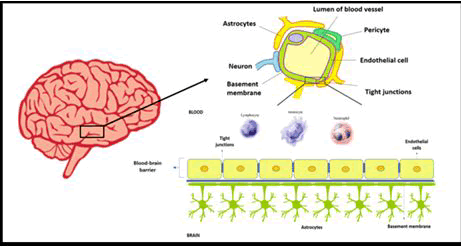
Figure 1: Various components of the neurovascular unit. The BBB mainly consist of the endothelial cells, connected by adherens and tight junctions (TJs) tightly, glial cells such as star shaped astrocytes, having diverse functions such as axon pathfinding, neuronal synapses transmission, BBB regulation and flow of blood, other cells such as pericytes, found towards the outer surface of the blood vessels placed inside the basement membrane.
The Blood-Brain Barrier is a dynamic interface between the brain and blood. The Barriers are present along the brain vasculature and it is evident at three of different sites: i) The barrier formed in the brain vasculature by endothelial cells (BBB) ii) The arachnoid epithelium shaped barrier and iii) The choroid plexus blood and the CSF barrier (BCSFB). The movement of ions and polar molecules across the vascular endothelium is regulated by different transporters. The structures between brain endothelial cells contain close and adhesive junctions that limit paracellular transportation across the BBB and create a more restrictive barrier than other endothelial cells in the body. The endothelial cells have a significant transendothelial resistance (TEER) and retain a transendothelial voltage and the electrical potential difference between the brain and blood of around 1 to 5 mV. The BBB consists of the endothelial cells and the basement membranes that line the blood vessels, assisted by the astroglial cells and the pericytes that strengthen the continuous stratum between the blood and the brain
Delivery mechanism
Most therapeutic agents should be delivered to the brain via the endothelial cells. The paracellular passage between endothelial cells can be used to carry ions and solutes through Blood Brain Barrier, called paracellular pathway [3]. Transcellular passage on the endothelial cells can be used to carry many molecules across BBB, called the transcellular pathway, or transcytosis. Balance of transportation between paracellular and transcellular pathways could maintain a healthy brain environment. The transcellular mechanism generally allows passive diffusion of small lipophilic molecules (< 500 Da), transport of gas molecules (e.g., carbon dioxide) depending on specific receptors, and transport of polar hydrophilic molecules (e.g., glucose, proteins, and peptides) depending on particular transporters (e.g., glucose transporter-1 (GLUT-1), choline transporters, and large amino acid transporters (Figure 2). To the design nanomaterials for BBB-crossing, these highly selective transporter-mediated transcytosis and receptor-mediated transcytosis could be used. Caveolae is another way to transport molecules into or out of the brain that depends on a vesicle formed around the molecules through cellular invagination. The transcellular pathway has recently been extensively explored and many approaches have been developed to transport therapeutic agents to the brain tissue. However, the efficiency of BBB-crossing may be restricted by the active efflux pumps of ATP-binding cassette transporters (ABCs) for the transport into the blood of certain lipid-soluble neurotoxic molecules or other therapeutic drugs. The cytosolic and extracellular-membrane enzymes in the endothelial cells could well down-regulate the efflux pumps. The efflux system plays a major role in maintaining the brain's normal physiological environment through the excretion of toxic metabolites and heterologous substances [38-40].
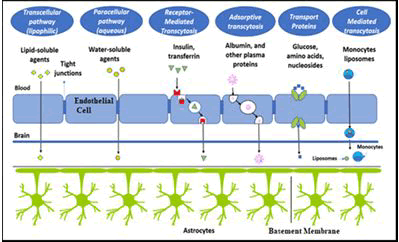
Figure 2: Different transport routes across the BBB
Altered physiology of BBB in CNS disorders
The BBB is disrupted in the case of various CNS disorders such as stroke, acute and chronic cerebral infarction, traumatic brain injuries, degenerative disorders, Parkinsonism, diabetes, epilepsy, Alzheimer's disease and AIDS [4]. In many of diseases, the arrangement of proteins within the intersections are modified, which is considered to be the main cause of BBB disruption and as in the case of ischemic stroke, the increased permeability of macromolecules across the BBB was reported[7]. The condition of the multiple sclerosis, junctional molecules of the cell membrane region become unorganized which adds to the enhanced BBB permeability. Also, the disruption of the adherens junctions can promote alteration in the permeability of the BBB. It has been reported that the enhanced permeability in BBB in the case of Alzheimer's disease with vascular dementia than that of the Alzheimer's disease alone. Thus, the junction's disruption in a few pathological conditions makes the BBB permeable. However, until now, the BBB disruption in these pathological conditions is not completely understood. Since CNS diseases involve a variety of complex processes, studies on BBB disruption in neurological disorders requires investigation.
Blood-Cerebrospinal fluid barrier
The Blood-Cerebrospinal fluid barrier (Blood-CSF-Barrier) is located at the choroid plexuses. The major function of choroid plexus is the active secretion of Cerebrospinal fluid. The Choroid plexuses are a source of various hormones or hormone carriers essential for the development of the brain as well as its maintenance. The immune cells are generally migrated directly into the CSF, preferentially through the choroid plexus pathway, in physiological as well as in case of non-inflammatory conditions, and these are inclined to secrete immune active compounds under inflammation and related conditions.
The choroid plexuses as a pathway for drug delivery to the CNS, have gained less attention. Some of the reports precluded the interest of targeting the brain CSF considering that intracerebroventricular injection has shown equivalence to a slow venous infusion, as the compounds injected directly into the Cerebrospinal Fluid can be delivered to a limited volume of the brain tissue. The efficiency of ICV (intracerebroventricular) injection as a route of administration, to produce a physiological effect, was also reported for low concentrations of receptor synergists or antagonists, tumour necrosis factor, neuropeptides and hormones whose plasma levels were not detected(e.g. cholecystokinin).
Factors affecting the penetration of drugs through the BBB
In varied experimental evaluation approaches, Lipinski's 'rule of five' is utilized to determine the solubility and penetrating power of the drug moiety. As stated by this rule, the drugs absorption or its permeation across the barrier will be poor, if they carry more than 5 hydrogen-bond donors and 10 Hydrogen-bond acceptors; if the molecular weight is more than 500 Dalton, log P value more than 5. However, several current drugs do not comply with this rule with a majority of violations coming from vitamins, antibiotics, cardiac glycosides and antifungal.
The physicochemical properties of the drug molecules affect the passively diffusing particles. Major factors impacting the penetration include the size, surface properties, lipophilicity and charge on the surface of molecules. Physiological factors that can impact the BBB permeability include action by enzymes, binding efficiency of the molecule to the plasma protein, efflux transporters like P-glycoprotein (P-gp), and cerebrum blood flow. Water-soluble molecules those which include proteins, peptides permeate into the brain through specific receptor-mediated transporters such as insulin transporter, transferrin transporter and the GLUT-1. The transportation through the receptor-specific mechanisms has been widely examined for the transport of the drug to the brain. The various factors which generally affect the penetration of the drugs through the BBB include the following:
Molecular weight
The passage of molecules through the BBB can be determined by its molecular weight. The BBB cannot be crossed by the hydrophilic drugs, having a molecular weight more than 400-500 Daltons; though this theory has certain of the exceptions. This range of molecular weight may be due to temporary pores formation in between the phospholipids bilayer, which is formed due to the linkage of free fatty acyl side-chain during the transportation of a molecule.
Hydrogen bonding
For each pair of hydrogen bonds added to a molecule, the BBB penetration of a therapeutic molecule lowers by one log of it’s value. The number of the hydrogen bonds formed by the drug molecule when dissolved in water can be calculated from the chemical structure of the drug molecule. The chances of the drug to permeate across BBB in significant amounts to produce a therapeutic effect are very less if the number of hydrogen bonds does not follow Lipinski's rule of five. The probability of a molecule to penetrate over the BBB is more, if, there are up to five H-bond donors (represented as the total of hydroxyl and amino groups).
Active efflux transporters
Solute molecules can get transported across BBB through many transport mechanisms. Carrier mediated transport involves the binding of solute to the protein transporter to one side of the membrane, which causes some changes in the conformation of the protein resulting in the transportation of solute without the demand of ATP. Active efflux transporters function by pushing out the compounds from the tissues in the brain into the systemic circulation, and they not only restrain the introduction of certain substances into brain but also prevent building up of a broad range of drug molecules in the brain. P-glycoprotein (P-gp), also termed as ATP-binding cassette sub-family B member 1(ABCB1)transporter, is one of the most predominately distributed efflux transporter proteins at BBB, which is usually expressed in multidrug-resistant protein (MRP), in BBB luminal membrane, and in breast cancer resistance protein (BCRP). The P-glycoprotein, which is an efflux transporter dependent on ATP, is an integral protein of the cell membrane; it removes toxic metabolites and xenobiotic from cells of the intestinal lumen,urine, bile, and helps in regulating the distribution and bioavailability of various drugs. The genetic polymorphism of P-glycoprotein due to the fluctuating drug effects which affect the drug disposition, and vulnerability to disease risk condition may further be altered. This would actually elaborated under the negotiation of blood brain barrier.
Approaches to penetrate the drug across BBB
Many recent advances in brain research lead to more methods to deliver the drug molecules across the BBB to the CNS. Various attempts have been tried to enhance the partitioning of various molecules through the barrier (Figure 3).

Figure 3: Various approaches/strategies to deliver the drugs across the BBB
Invasive methods
Drug molecules from blood circulation to the brain are restrained by the BBB. Hence, via various physical and pharmacological methods, we can momentarily open this barrier to increasing the pore size. This momentarily opening of the barrier can help in the penetration of various compounds or nanoparticles into the brain.
Intracerebroventricular infusion
These strategies consist of the injection or intraventricular infusion of therapeutic proteins directly into the cerebrospinal fluid (CSF). The advantages of these methods over the systemic endothelial reticular system (ERT) are that they allow delivery to the brain of a higher amount of enzymes and, consequently, it is not necessary to use massive concentrations of therapeutic drugs. Furthermore, these strategies overcome the problems related to the short half-life of drugs in the blood, avoiding the ones related to systemic exposure and toxicity.
Intrathecal infusion
Intrathecal drug administration can be accomplished by lumbar puncture or by an implanted intrathecal drug delivery device (IDDD). Data from animal models of MPS I, II, and IIIA, and also of other LSDs such as infantile neuronal ceroid lipofuscinosis and Niemann-Pick A, indicate that ERT through intrathecal injection can distribute the recombinant enzyme throughout the CNS where it can penetrate the brain tissue promoting the clearance of accumulated material within the lysosomes.
Alteration in tight junctions via receptor-mediated
Alteration and modifications in the compactness of tight junctions can act as an efficient technique to enhance the diffusion of drugs through the BBB, as they play a significant role in maintaining the integrity of BBB and restricts the introduction of molecules from the systemic circulation to the brain. One of the most remarkable targets of the drug molecules in a variety of the ailments including brain disorders involves adenosine, and these receptors are of four subtypes: A1, A2A, A2B and also A3. The generation of the therapeutic response has been reported via the action of a variety of agonists and antagonists on these adenosine receptors. It was actually reported that permeability of BBB in vivo can be enhanced by turning on A1 and A2A adenosine receptors. The potential of the antagonist to alter the diffusion of the drug across the BBB was reported by analyzing the transendothelial cell electrical resistance (TEER) values of the mouse brain capillary endothelial bEnd.3 cell monolayer with the help of in-vitro transwell assays. The reduced values of TEER indicated an enhanced intercellular space and barrier permeability. Mannitol, when given in the route intra-arterial injection leads to temporary BBB disruption in rats and humans. It can be used to deliver chemotherapeutic agents to the brain when given intravenously in low concentrations. It reduces intracranial pressure succeeding traumatic brain injury due to its osmotic effect and produced effective results in delivering of the drugs. Mannitol, when given in route of intra-carotid infusion can cause BBB disruption leading to a specific alteration in tight junction as a whole. BBB disruption occurs by reducing endothelial cells.
Non-Invasive method
Drug chemistry-based approaches
This relies on the modification of chemical drugs to facilitate their transfer across the BBB. Chemistry can increase drug hydrophobicity to promote paracellular transportation or to add a certain movement to the drug molecule to assist in their brain absorption. Chemical changes include prodrug preparation, chimeric and cationic peptides. Few approaches for non-invasive are listed.
| Methods | Virtues | Shortcomings |
|---|---|---|
| Prodrug | More amount of active drug present at desired site | Formation of unexpected toxic metabolites |
| Receptor mediated transport | Site- specific | Rapid drug dissolution |
| Adsorptive mediated transcytosis | Better cellular uptake by endothelial cells | Poor selectivity |
| Cell penetrating peptide | Good penetrating action | Aggregation in peripheral tissue, longer stay in body leads to unwanted effects |
| Exosomes | Non-immunogenic, high affinity towards receptor | Toxicity, need more research on formulation purification and pharmacokinetic studies |
| Nanoparticles | Drug payload, control of drug release | Large scale production and drug loading |
Table1: A few approaches for brain drug delivery with virtues and shortcoming.
Prodrug
About 98% of small molecular weight drugs and almost 100% of the larger molecular weight drugs do not cross the BBB quickly. Such therapeutic moieties can be transported by the chemical modification using this method. This non invasive method involves the lipidization of the therapeutic agent reversibly which undergo chemical or enzymatic biotransformation to the active form to show its therapeutic activity where it necessitates. The inactive form of the drug release at the desired site in its active form to provide the pharmacological action of the drug. This method is employed successfully to transport dopamine for the cure of Parkinson which otherwise cannot cross the BBB. Levodopa, a precursor of dopamine is acted upon by the naturally occurring enzyme, DOPA decarboxylase which is present both in the peripheral circulation and in CNS. This converts the levodopa to dopamine once it crosses the BBB and provides the required potential action. A series of connected compounds like morphine, codeine, and heroin demonstrate another example of a prodrug method. Less penetrable morphine when lipidized by its O-methylation resulting in codeine or O-acetylation resulting in heroin, leads to enhanced BBB penetrability by many folds. It is a reversible effect as the molecule is changed into the parent molecule once it enters the BBB by enzymatic degradation.
Chimeric peptides
It has been used to deliver peptides through the BBB for many decades. It actually relies on the covalent binding of a non-transportable peptide to a peptide vector that can pass through receptor-mediated transcytosis (RMT) or absorptive mediated transcytosis (AMT) to the BBB. In this the conjugated vector may include the monoclonal antibodies (mAbs) and the endogenous peptides also including the modified proteins etc,. The chimeric peptides vary in being biologically active from prodrugs so they don't need any additional biological steps to begin their action. Pardridge et al. fused beta-endorphins (non-transportable peptides) with cationic albumin, which passes by AMT through the BBB, through disulfide interaction. They also found that the brain quickly embraced beta-endorphin-cationized albumin chimera; the BBB uptake of native beta-endorphin, on the other hand, was negligible. They have also been recently studied the structural-activity relationship with and without different spacers of some chimeric peptides obtained from peptide E and beta-endorphin. They concluded that the size of the spacers and their physicochemical properties had minimal impact on the analgesic potency.
Cationic peptides
This technique relies on increasing the polypeptide chain's positivity to pass the BBB through using AMT pathway. The free polypeptide carboxyl groups (e.g., IGF-I, IGF-II, NGF) can be cationized using polylysine (PLL), hexamethylenediamine, diazomethane, or PLL with adhesive ester bonds. Protamine, histone, avidin, and cationized bovine polyclonal immunoglobulin are examples of cationic peptides that have a high ability to cross the BBB.
Biological Approaches
Penetrating the BBB - Tight junctions present between endothelial cells in CNS vessels which are overexpressed on the BBB restrict the entry of solutes, receptors, and carriers. They allow the transport of specific ligands. As the BBB membrane is negatively charged, positively charged molecules bind to it and pervade the entry of nanoparticles through the barrier by endocytosis. This can be attained by these methods.
Drug transport through the transporters
Transporters present on the BBB provide an additional pathway for drugs to be delivered to the brain. In general, these transporters are needed for the transport of the nutritive materials from blood to the brain. Examples are shown in Figure 4. Glutathione, composed of three amino acids- cysteine, glycine, and glutamate is the body's master antioxidant as an endogenous tripeptide. These transporters are present on BBB which can be combined with liposomes to deliver drugs to the brain. The utilization of this approach is applied in many of the drug transportation through the BB Barrier. For instance, Glutathione-reform liposomes were prepared for protein drug β amyloid- binding llama single-domain antibody fragments (VHH-pa2H), showing better concentration than the unchanged liposomes. Rate of success is higher because of the advantages proposed by liposomes such as enhanced safety, ease of preparation in large scale-production and controllable pharmacokinetics. In this case for the production of cholinergic neurotransmitter, acetylcholine, the brain needs choline which is transported via the choline transporter found on the BBB. Choline transporter can be used as a carrier to transport various therapeutic agents due to its high transport capacity, sufficiently moving rate from blood to the brain(smith, 1993b) and most useful one, other molecules can be transported without breaking the CNS choline supply. Various agents such as baclofen, melphalan, sulfoximine, azaserine, alpha-methyl DOPA can be transported via choline into the nervous system.
They generally worked on several bis-quaternary ammonium compounds having a greater binding capacity with the choline transporter. The suitable ligand chosen was based on the best inhibition effect shown on the uptake of choline chloride by brain capillary endothelial cells and modified onto dendrimers. Results shown of the in-vitro study revealed that modified choline derivatives were taken competently by the endothelial cells when compared to the unchanged dendrimers. The same method utilized the MRI contrast Gadolium which delivered DNA and doxorubicin simultaneously results in the suited delivery method for the brain. [93, 94]
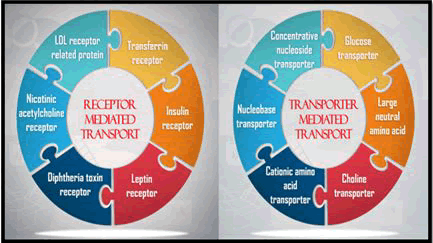
Figure 4: Representation of different transporters (Receptor-mediated and transporter-mediated) for the delivery of the chemical and biological agents across BBB
Negotiation of Blood-Brain Barrier
Based on the present understanding of the mechanism of transport used by that specific endothelium, new approaches to drug delivery bynegotiation of the BBB barrierwere proposed. Some use the physical features ofBBB and some of themuse the biochemical receptor and BBB transport outline. Three primary BBB negotiations pathways, known as AMT-adsorptive-mediated transcytosis, TMT- transporter-mediated transcytosis, and RMT-receptor-mediated transcytosis, have so far been established (Figure 5). For this development of some of the rational strategies like surface modifications by nanocarriers have been explored and found useful. Even, nanomedicine gives a mean for the protection of encapsulated moiety and method to increase the bioavailability.
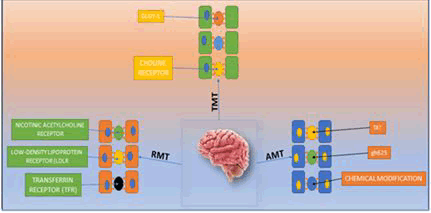
Figure 5: Current methods to negotiate BBB
Absorptive-mediated transcytosis (AMT)
For the transportation in the brain,molecules such as cell-penetrating peptides which consist of amphipathic and positively charged amino acids, Blood-brain barrier very high negative surface charge can be explored for the delivery. The gH625 peptide obtained from glycoprotein H of herpes simplex virus type and the transactivator of transcription(TAT) obtained from HIV are perfect examples of CPP for use in brain delivery. Cell Penetrating Peptide (CPP) can directlybe combined with therapy or attached to nanocarriers surfaces to promote transportation across the Blood-brain barrier. The structure of peptides is often connected with active structures that are susceptible to acidic pH or metalloprotease action, typical tumor environment characteristics that provide extra information for the targeting [95]. The nanoparticles surface also can be chemically altered to be positive as in the scenario of DOX-loaded albumin nanoparticles. Because of this, some of the biologicals which also include nucleic acid and chemical therapies have been successfully delivered by AMT. In the ground-breaking work of the Sabel Group, they proved that non-ionic surfactants have a greater effect than anionic surfactants on BBB permeability, as they promote the development of an apolipoprotein E corona which has earlier been shown to increase the incorporation of the nanoparticles through RMT.
This research is crucial to the further growth of brain drug delivery strategies since it shows that surface changes in the environment of blood are the main factors in determining the accumulation of the carriers in the brain. However, AMT-based strategy targeting is nonspecific because it attempts to target certain physical characteristics of the Blood-Brain Barrier which are found throughout the entire vascular system, and its internalization can also take place effectively in off-site organs with a consequent reduction in therapeutic efficacy and possible side effect.
These methods take advantage of membrane receptors usually expressed on the BBB surface. But as per their respective emphasization, the Blood-Brain Barrier is not a stationary structure since in physiological and pathological circumstances it can cause different modulation in its permeability. In the development of unique drug delivery techniques for the brain, RMT and TMT have great potential because, they're usually differentially expressed on the Blood-Brain Barrier despite their involvement in molecular brain transport, representing an ideal tissue target. Althoughthere are distinct biological roles of transporters and receptors, they have comparable importance in the delivery of a drug, because they negotiate therapeutic internalization (or the carrier) through contact with particular ligands and that’s why they are discussed in the same review segment. TMT is generally looked at as the transport path which allows tiny polar nutrients such as amino acid, sugar, hormones, and vitamins to pass from the BBB. So for this nanoparticle conjugated with mannose can be used to overcome BBB through GLUT1 or to exploit the choline transporters and the quaternary ammonium can be used. In contrast, RMT refers to drug delivery methods that exploitreceptors to facilitate the transport of bigger proteins across the BBB. The transferrin receptor TfR, a diphtheria toxin receptor, low-density lipoprotein receptor (LDLR) and nicotinic acetylcholine receptor belonged to this category. In this domain the TFR had actually been widely researched, as it is overexpressed in BBB as well in glioma, while not expressed in other tissues' and in the blood vessels. In this respect, TFR targeting could be active at both the BBB stage and in cancer cells level, which have experienced additional brain parenchyma extravasation. TfR’s antibody (OX26 antibody) has been shown to promote BBB therapeutic transcytosis and the nanoparticles. However, the latest proof has contradicted this information, stressing the need for further studies on this phenomenon. For delivering the antibodies across the blood-brain barrier, RMT comes up as a feasible strategy. Antibodies can also be combined with therapeutics exploiting the RMT trafficking to promote the delivery of drugs across the blood-brain barrier. RMT handles the transport of most of bigger molecules compared with TMT, however, it is essential to mention that none of these transport mechanisms have emerged to negotiate nanocarriers ' passage and there is no proof to support the physical mediation of nanoparticles transcytosis by these receptors. However, several times it has been shown that their targeting may also boost the trafficking of nanoparticles towards the abluminal side. More research in this area is therefore needed to analyze the operational mechanism of these kinds of transport.
Exosomes
Exosomes are vesicles derived from cells present in all eukaryotic fluids such as blood, urine, and culture medium of all cultured cells. Exosomes being the non-immunogenic so provide long and stable circulation making it advantageous against synthetic nanoparticles. They generally serve to interchange the substances/molecules through the BBB and also regulate the effective communication between various cells in the brain. Exosomes can be used for brain delivery of small molecules, proteins and nucleic acids.
The vascular endothelial growth factor (VEGF) is loaded with the siRNAs with the help of a transfection reagent into the exosomes which were extracted out from EC culture media of the brain. The exosomes loaded with siRNA make way through the BBB and inhibit VEGF in xenotransplanted zebrafish which bear brain tumour[113].
Exosomes were used to deliver anticancer agents such as doxorubicin to the tumour cells modified by targeting ligands. It proved to be a good method for the delivery of the drug and improved the therapeutic index of the drug when compared to the unmodified drug. High affinity towards the receptor, less toxicity, increased tissue and vascular penetration of the chemotherapeutic were some of the advantages of the system [114].
Exosomes used for a drug such as curcumin to treat the inflammatory/autoimmune disorders and tumour. The anti-inflammatory action of curcumin is increased when incorporated in exosomes as it increased drug’s solubility, get stabilize in vitro and bioavailability in vivo and get accumulated in high amount in the targeted tissue. However, the issues and problems such as the optimized procedure of loading for exosomes, choosing of exosomes donor cell, calculating and evaluating how efficiently the siRNA is loaded into the exosomes, purification procedure for the formulated exosomes, and toxicity and pharmacokinetic studies makes exosomes as a less usable drug carrier.
Active transport of drug in the BBB
Endogenous amino acids make their way to BBB via the transportation systems. The transport of these amino acids through the barrier can be exploited beneficially by attaching the drugs with amino acids that can actively cross the BBB. A research study involved the development of three acid prodrugs of dopamine to improve the uptake of dopamine across the BBB into the CNS by using a large amino acid transporter. To evaluate these three prodrugs, an in-situ perfusion technique for the rat brain was utilized for calculating the uptake of drugs into the CNS. The affinity towards receptors and brain uptake of the phenylalanine prodrugs was reported to be better than other prodrugs.
Recently, another study reported the preparation of conjugation products between methotrexate (MTX)-lysine with enhanced brain availability through the endogenous transport mechanism of lysine in the BBB. The transport of this prodrug in the brain is evaluated by its pharmacokinetics and biological distribution of the MTX-lysine conjugate. However, prodrug of this type mechanism is suitable for small molecules.
Nanotechnology-based approach
With the beginning of nanotechnologies, nanoparticles have been projected as an alluring tool to possibly improve drug delivery across the BBB. When the nanoparticles are used for brain drug delivery, the first thing in mind should be the ability of the nanoparticles to cross the brain by themselves [4]. Nanoparticles offer several advantages as they can convey drug payloads provide controlled drug release and modify the pharmacokinetics of the drug.
Due to their extremely small size (less than 200 nm), they can permeate into tumour tissue (having leaky vasculature) causing enhanced permeability and retention (EPR) effect which can assist in process of drug delivery. A nanoparticle enhances the concentration of the brain availability of the drug, but it is not certain that the small size of the nanoparticles helps penetration through a normal healthy barrier.
Nanoparticles increase the drug circulation time in the blood when compared to the conventional formulations giving more chances to the drug to cross the BBB efficiently. For example, poly(ethylene glycol)-poly(lactic acid) block copolymer (PEG-PLA)-protein complex nanoparticles cannot cross the healthy BB Barrier, however, these complex nanoparticles improved the efficiency in a mouse model having occlusion of middle cerebral artery (for stroke) by delivering brain-derived neurotrophic factor (BDNF) to the CNS.
Commercially Available Products for Brain Delivery
Several products for brain targeting have been developed till date and there are so many researchers focusing primarily on brain taregetting. Few of the commercially available products are listed in Table 2. One can see that among these the majority is taken by nanoparticles based drug delivery system, It can, therefore, be inferred that researchers are able to explore this field more for the more productive creation and hence the more human application.
| Drug | Dosage form | Relevant therapeutic outcomes |
|---|---|---|
| Levetiracetam | Thermoreversible gel | Safe path of intranasal administration and non-invasive |
| Docetaxel | Liposome | Enhanced targeting potential and higher brain concentration |
| Paclitaxel | Liposome | Better ability to target |
| Desvenlafaxine SNRI | PLGA-chitosan nanoparticles | Intranasal administration of PLGA-CS NPs significantly increases monoamine levels in the brain as compared to orally administered DVLF. It improved DVLF's pharmacokinetic profile in brain. |
| Paroxetine SSRI | Nanoemulsion(o/w type) | Biochemical estimates showed that the prepared nanoemulsion was successful in raising the depressed glutathione levels and decreasing the elevated TBARS levels |
| Levodopa | Polymeric nanoparticles | Improved absorption, preventlevodopa degradation in peripheral circulation, increased residence |
| Venlafaxine hydrochloride (VLF) SNRI | Alginate-chitosan nanoparticles(AG- NPs) | VLF AG NPs Intranasal therapy improved significantly the parameters of behavioral analysis, i.e. swimming, climbing and immobility compared with intranasal solutionand oral VLF tablet. |
| Duloxetine SNRI | NLC | Intranasal administration demonstrated approximately 8-fold higher DLX concentration in the brain compared to DLX solution intravenous administration. |
| Rivastigmines | Liposomes | An improved ex vivo diffusion through goat nasal mucosa has been shown. Higher concentrations inthe cotex, hippocampus and olfactory region. |
Table2: Formulation approaches for brain targeted delivery of CNS drugs.
Some of the Nanoparticles designed targeted methods which are currently being explord are as follow
Gold nanoparticles (AuNPs)
AuNPs are mostly < 10 nm in size. AuNPs are one form of metallic colloidal NPs with multiple applications due to the abundance of properties, of which the surface plasmon resonance phenomenon is the major contributor to the rich red color of monodisperse AuNPs and can be adjusted by changing the size and structure of NPs. These are easy to prepare in configurable scales, robust to undergo process versatile surface alterations and also have outstanding biocompatibility. Based on all these characteristics, they were commonly used as drug carriers in different treatments and bio-experiments for diseases. The process of the NPs uptake by the endothelial cells can be categorized into carrier-mediated transport and passive diffusion, including endocytosis such as receptor, and absorption mediated endocytosis depending on the dimensions, charges, and functional groups on the surface of AuNPs in the experiments relating to the release of drugs across the BBB. More importantly, AuNPs would not cause any damage to the boundary integrity of the BBB while crossing the BBB. In the treatment of neurodegenerative diseases, gold nanoparticles have been widely studied through therapeutic macromolecule functionalization. The management of Alzheimer's disease using gold nanoparticles functionalized with amyloid-specific peptides as well as the management of Parkinson disorder have been investigated, showing improved permeation through the blood-brain barrier in vitro models.
Silver nanoparticles (AgNPs)
AgNPs are 1-100 nm in size. AgNPs are just another form of metallic colloidal NPs widely used in the domains of manufacturing, biomedicine and engineering and technology. Ultrafine inhaled AgNPs will circulate the entire body through the blood-lung barrier to pass into the circulatory system. AgNPs have also been reported to interact with cerebral microvasculature resulting in a proinflammatory cascade and ultimately induce inflammatory BBB, astrocyte swelling and neuronal degeneration. It was seen that after both oral exposure and also inhalation, AgNPs have actually been shown to build up in different organs including the brain. It has also been demonstrated that AgNPs can migrate through BBB and builds up in microvascular endothelial cells in the primary rat brain. In this way, the effect of AgNPs on the barriers of the central nervous system must also be studied especially BBB and CSF barrier. Nevertheless, it is still unclear how AgNPs contribute to BBB inflammation and cellular neurotoxicity.
Zinc oxide nanoparticles (ZnO NPs)
ZnO NPs are 20-80 nm in size. Provided their unique physicochemical properties, ZnO NPs are common commercial products commonly used in doping and catalysis. Some studies have also shown that ZnO NPs will affect the function of specific cells and tissues. Nevertheless, the study of the respective effects on the BBB or CNS was not carried out until Xie et al. used male Swiss mice as a model for depression behavior to analyze impact of ZnO treatment on Central nervous system. As result, it was shown that behavioral and cognitive dysfunction in mice could be improved with ZnO NPs by encouraging the synaptic plasticity of the neurons. More studies are however necessary to understand the mechanism.
Dendrimers
Dendrimers are strongly branched, monodispersed, symmetrical polymeric macromolecules with certain reactive surface groups. In general the dendrimer is a spheroidal carrier network in 3 Dimensional form, consisting of repetitively branched molecules. The core is appropriate for drug loading while the surface with a number of reactive sides enables the multifunctionality and densely packed periphery to increase the ability to load drugs. Dendrimers have been used to treat brain cancer, stroke, neuroinflammation, blood-circulatory arrest, neuroinflammation and neurodegenerative disorders as strategies based upon nanotechnology to bypass the blood-brain barrier. The most popular dendrimers for treatment of brain disorders are polyamidoamine dendrimer. The small sie/nanosized dendrimers represent an enticing brain targeting drug carrier system. Currently, the studies which concentrated on the production of a modified surface dendrimer with the unique BBB or tumor cell ligand to increase the efficiency of its brain targeting. They in general produce those of RGD-PEG-modified PAMAM loadedwitharsenic trioxide for targeting brain glioblastoma cells. When compared to the unmodified PAMAM dendrimer, surface modification with PEG reduced the cytotoxicity to BCECs. The carrier system extended the release of the drug and significantly increased the drug's pharmacokinetic profile and therapeutic efficacy.
Quantum dots
Quantum dots are colloidal semiconductor nanocrystalline materials, consisting of metalloid crystal core and non-reactive metallic shell that covers the core of crystalline surface. The long-term photostability, higher brightness, size-adjustable range of narrow emissions render it toa successful diagnostic tool. It also usually provides a great surface area in which it can encapsulate a huge range of diagnostic and therapeutic agents. But it can also be used as a successful brain targeted carrier device. Amongst many one of the Quantum dots features is to boost and monitor the delivery of drug to the brain. Quantum dots are effective fluorescent probes and nanovectors to transverse the drug across the BBB. Various QDs having high specificity and multifunctionality can be used for the transfer of various diagnostic molecules and imaging agents on the other side of BBB which in turn will help to gain better clarity in the understanding, diagnosis and treatment of brain disease.
The bioactive compounds can be incorporated into the center of the quantum dots while the surface can be functionalized with the targeting ligands to allow the targetingfor the brain. Much like inorganic nanoparticles, however, the higher profile of toxicity, non-biodegradability and low profile of drug release restrict its usage. They have also been investigated the use of carbon dots based on D-glucose and L-aspartic acid as a diagnostic and therapeutic tool for identifying and targeting brain tumour. The study revealed the innovative design and characteristics of carbon dots offersa potential theranostic tool. They have also developed a unique and also Pegylated quantum dot nanoprobe paired with aptamer 32 for brain tumor fluorescence imaging. It retains the ability to directly associate with the glioma cells and could, therefore, be used as a useful method for brain tumor diagnosis, investigation, and surgical intervention.
Carbon nanotubes
The nanoscale alteration of many drugs ' physicochemical and biological properties render them ideal for CNS pharmaceutical therapy. Carbon nanotubes (CNTs) are cylindrical minute/small/ nanostructures based on carbon with one or more layers of carbon classified as single-wall and multi wall CNTs. Such type carbon-based NPs are of medicinal value. The CNTs possess specific chemical, mechanical and electrical characteristics. Basic and modified forms of carbon nanotubes (via a variety of polymers) were evaluated. The development of hybrid nanotube-neural networks will encourage neuronal activity, network communication and synaptic development. Maintaining the connection between carbon nanotube and stem cells presents a new vision for the use of these carbon-based NPs in the design and manufacture of nervous tissue via cellular simulation. They also used the scanning electron microscope to study the permeability of amino-functioning single-walled CNTs in an animal model. It generally demonstrated a strong accumulation and absorption by astrocytes in the brain tissue. They also noted a decline in the permeability of these nanostructures to the brain with temperature elevation, which suggests the energy-dependent mechanism of these drug delivery systems.
Focused ultrasound (FUS)
BBB is disrupted when acoustic energy is concentrated on targeted regions in the brain, leading to improved permeability and can deliver drug molecules to the brain efficiently. To enhance the disruption of BBB and reduce the injury to healthy brain cells around the targeted region, various types of microbubbles were used which act to concentrate the acoustic energy inside the blood vessels and convert it into mechanical power. When the circulating microbubbles come within the ultrasound field, the oscillation of these microbubbles matches with the frequency of the ultrasound, and this process is called as stable cavitations.
Thermochemical stimulation of the blood vessels occurs through the stable expansion and contraction of these microbubbles which results in the transient opening of the BBB. In this strategy, concentrate the already focused ultrasound energy into the desired brain region, Magnetic Resonance Imaging (MRI) is merged with FUS and an increase in the local temperature is observed. The technique of focused ultrasound has been utilized to improve the delivery of many nanoparticles to the brain (Figure 6).
A study was done in this field which measured the concentration of the gold nanoparticles in two hemispheres of the brain while the right hemisphere being sonicated and left hemisphere was not sonicated. In the right hemisphere, the number of gold nanoparticles was found to be 3.36-folds greater when compared to the left hemisphere which was not sonicated. The median survival time of brain tumour-bearing mice was improved after treating with doxorubicin-loaded liposome’s with FUS and it was shown to be improved from 23 days (control) and 27 days (treatment with doxorubicin-loaded liposome only) to 35 days, excluding 3 survived out of 8 for even more than 140 days.
Focused ultrasound combined with some other targeting methods can enhance the targeted delivery of the drugs and nanoparticles to the brain. Liu et al.merged focused ultrasound with magnetic targeting which has shown a 16.3-fold higher concentration of the magnetic nanoparticles in the brain when compared to FUS alone.
The development and the issues in the application of focused ultrasound for BBB disruption were reported by Vykhodtseva.
Lack of edema was observed in various cases, after very frequent application of focused ultrasound as well as microbubbles to disrupt the BBB for a long period (4–20 months).
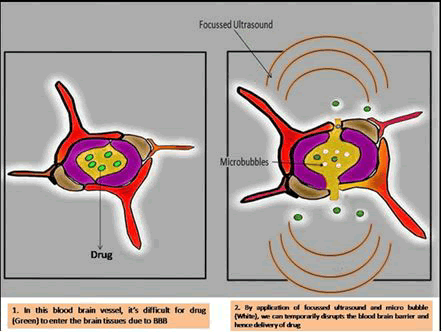
Figure 6: Effects of focused ultrasound on BBB permeability
Antibody-mediated delivery of therapeutic agents
This technique is an upcoming new trend in the treatment of the CNS diseases and is successful in the treatment of diseases such as Alzheimer's, multiple sclerosis, epilepsy, stroke, neuro-inflammatory diseases.
Multiple sclerosis is a type of demyelinating disorder that is characterized by damage to the myelin sheath which covers the neurons in the brain as well as the vertebral column, leading to improper coordination of the brain with the whole body. Thus treatment options for multiple sclerosis involve remyelination and immune cell trafficking inhibition. This can actually be achieved by the active participation of monoclonal antibodies involving the depletion of B cells. For example, natalizumab drastically reduces the total count of T cells and B cells in the brain by blocking into the brain. Another antibody that is actually under clinical trial is ocrelizumab which is a humanized anti-CD20 monoclonal antibody. It acts upon B cells and targets CD20 present on its surface acting as an immunosuppressive drug used for the treatment of multiple sclerosis.
Bispecific monoclonal antibody (Bsmab) is an artificial protein that has the potential to attach to two distinct varieties of proteins/antigens at the same time. It has been used for cancer treatment. This is actually utilized to transport chemical agents across the BBB. One site of the Bsmabs is specified to promote transport through the barrier.
Facial intradermal injection
It is a method to bypass the BBB via the trigeminal neural pathway. Trigeminal nerve communicates with the facial skin, facial muscles, meninges and respiratory mucosa and delivery through the facial skin is another method to cross the BBB. This method can overcome disadvantages faced in intranasal drug delivery where the olfactory mucosa and respiratory airflow interfere leading to less brain targeted drug delivery.
Molecular Trojan horses
Peptides and recombinant proteins, such as neurotrophins, enzymes and monoclonal antibodies, were not established as new brain drugs because these large molecular drugs do not cross the capillary wall of the brain that forms the in vivo blood-brain barrier (BBB). A new solution to these problems of delivering brain medications is the genetic engineering of recombinant fusion proteins. The therapeutic peptide or protein drug is transformed into a molecular Trojan horse, which is a peptidomimetic monoclonal antibody or second peptide that target different receptor on the BBB. The Trojan horse allows receptor-mediated fusion protein delivery across the BBB to allow the protein drug to reach the brain and exert the desired pharmacological benefit.
Large brain molecule therapies include recombinant proteins, monoclonal antibodies (MAb), antisense drugs, short interfering RNA (siRNA), and non-viral gene medicines. None of these biotechnology products can be produced as neurotherapeutics because such large molecules do not cross the capillary endothelial wall of the brain, which forms the in vivo blood-brain barrier (BBB). Some large endogenous molecules, such as insulin or transferrin, cross the BBB through a transcytosis-mediated receptor (RMT) process. The insulin receptor or else transferrin receptor (TfR) is expressed on the capillary endothelial cell plasma membrane of the brain and helps to transport endogenous insulin or transferrin from blood to the brain. Likewise, on the endogenous peptide receptor transporters, some peptidomimetic monoclonal antibodies undergo RMT through the BBB. The peptidomimetic MAbs on the BBB receptor bind exofacial epitopes which cause transportation across the BBB. Since the MAb binding site is distinct from the endogenous ligand binding site, endogenous ligand transport actually is not interfered. As molecular Trojan horses (MTH) the peptidomimetic MAbs can be used to ferry large molecule therapies, including non-viral plasmid DNA, across the BBB via the endogenous RMT systems.
Zika virus therapy
The mosquito-borne virus, Zika Virus, is linked to disease where there is degeneration of neurons such as congenital Zika syndrome and GBS (Guillain-Barré syndrome). As the target of Zika Virus is the nervous system, therapies that can prevent the infection of the Zika virus in the brain are urgently necessary. A brain-penetrating peptide to tackle the Zika virus and other viruses transmitted by mosquitoes was engineered. Therapy by this peptide was successful in giving protection against neuroinflammation, viral infection including the mortality. Even this therapy helped in diminishing microgliosis and prevention against brain damage.
A 27-mer amphipathic, α-helical (AH) peptide was chosen as a LEAD model and a strengthened analog designed with powerful antiviral activity. The selected LEAD model has one special characteristic that focuses primarily on high curvature lipids such as tiny, enveloped viruses. The experimentally demonstrated characteristics of BBB penetrationof various amphipathic peptides further encouraged thetemplate choice. Theyhave integrated dextrorotary (d)-amino acids to enhance the strength and to have theincreased bioavailabilityof the AH peptides. which are much less prone to proteolytic degradation than the most prevalent levorotatory-amino acids.
Results collectively show that an antiviral peptide that is designed to cross BBB can easily inhibit ZIKA Virus infection in mice with a mixture of systemic control and organ inhibitor activity therapeutically, even including the brain. Due to the scope of antiviral activity of the Peptide toward co-circulating viruses, In vivo therapy demonstrations encourage wider attempts to develop new techniques for antiviral treatments for infections caused due to the mosquitoes. Contributing to the defensive action of the BBB to impede the transport of the drugs to the brain, results in a demanding task to treat innumerable brain ailments therapeutically.
Conclusion and future perspective
To have the complete knowledge of the anatomical structure of the BBB, mechanisms involved for the drug transport, this review has covered different types of barriers as well as the possible strategies and approaches (bases on the available literature) or the targeted for the effective delivery of the drugs to the brain. Further, new advancements have been covered which are a new area of providing better therapeutic and clinical results of the drug administration to the brain. To conclude, the safety and risk parameters must be taken into scrutiny while developing the targeted drug delivery system to the CNS since researchers fail to notice this issue during the research stage. These delivery systems should not affect the normal functioning of the brain. The delivery system must be designed considering the pathological animal models. The study should be done on the diseased brain as better results will be obtained as compared to the healthy brain. In summary, there is a need for an in-depth understanding of the physiochemical activity of the carriers used, pharmacokinetic properties of the therapeutics required to be delivered, as well as the anatomical and biological factors which have an immense influence on the delivery of the drugs to the brain. The complex nature of the BBB requires further detailed studies to gain an edge to come up with more of the novel strategies for the delivery of drugs to CNS. The consideration for the safety of the delivery systems as well as the use of diseased animal models in further researches can have a significant impact on improving the development of designing the delivery systems for efficient delivery of the drugs to the brain, shortly.
New methods are employed for drug transport but they still need to be discovered. Like, the mediated antibody is becoming a famous technique still no mAb is available in the market as they are under clinical trials for brain delivery. Another method exosomes though can transport various molecules across the BBB still needs more research to reduce the side effects associated with it. Further, BBB selectivity towards a receptor is necessary to target the drug successfully. This can be achieved if brain receptors are specific or expressed on BBB, which is not the case as all receptors, are almost non-specific. Hence, further efforts can be made for drugs to reach the brain. Finally, any developed method for the brain drug targeted should be evaluated for its safety, usefulness for the patients and side effects linked to it. It must be evaluated by the researchers for any long term or short term effect on the normal functioning of the brain.
References
- Barkats M, CNS gene delivery using peripheral administration of AAV vectors. 2019, Google Patents.
- Odiba A, et al. (2017) Therapeutic nanomedicine surmounts the limitations of pharmacotherapy. Open Medicine,. 12(1):271-287.
- Dong X, (2018) Current strategies for brain drug delivery. Theranostics. 8(6): 1481.
- Wohlfart S, Gelperina S and Kreuter J (2012) Transport of drugs across the blood–brain barrier by nanoparticles. Journal of controlled release, 161(2): 264-273.
- Banks WA, From blood–brain barrier to blood–brain interface: new opportunities for CNS drug delivery. Nature reviews Drug discovery, 2016. 15(4): 275.
- Sweeney MD, AP Sagare and BV Zlokovic, Blood brain barrier breakdown in Alzheimer disease and other neurodegenerative disorders. Nature Reviews Neurology, 2018. 14(3):133.
- Alyautdin R (2014) Nano scale drug delivery systems and the blood–brain barrier. International journal of Nano medicine 9:795.
- Eyal S (2009) Drug interactions at the blood-brain barrier: fact or fantasy? Pharmacology & therapeutics 123: 80-104.
- Bhowmik A, Khan R and Ghosh MK(2015) Blood brain barrier: a challenge for effectual therapy of brain tumors. BioMed research international 2015:20
- Posadas I, Monteagudo S and Cena V (2016) Nanoparticles for brain-specific drug and genetic material delivery, imaging and diagnosis. Nanomedicine,. 11:833-849
Open Access Journals
- Aquaculture & Veterinary Science
- Chemistry & Chemical Sciences
- Clinical Sciences
- Engineering
- General Science
- Genetics & Molecular Biology
- Health Care & Nursing
- Immunology & Microbiology
- Materials Science
- Mathematics & Physics
- Medical Sciences
- Neurology & Psychiatry
- Oncology & Cancer Science
- Pharmaceutical Sciences